Rank Tracker Software vs Google Search Console
Every SEO professional and marketer eventually faces the same dilemma: rely on Google’s free data or invest in a dedicated tool? While both provide vital visibility into your organic performance, the debate between **rank tracker software vs google search console** comes down to data depth, tracking frequency, and actionable insights. Google Search Console offers a direct, backward-looking window into user behavior, but modern rank trackers deliver the real-time, competitor-aware intelligence needed to dominate dynamic SERPs. In this guide, we’ll break down their core differences, strengths, and limitations to help you decide which tool best scales your search strategy.
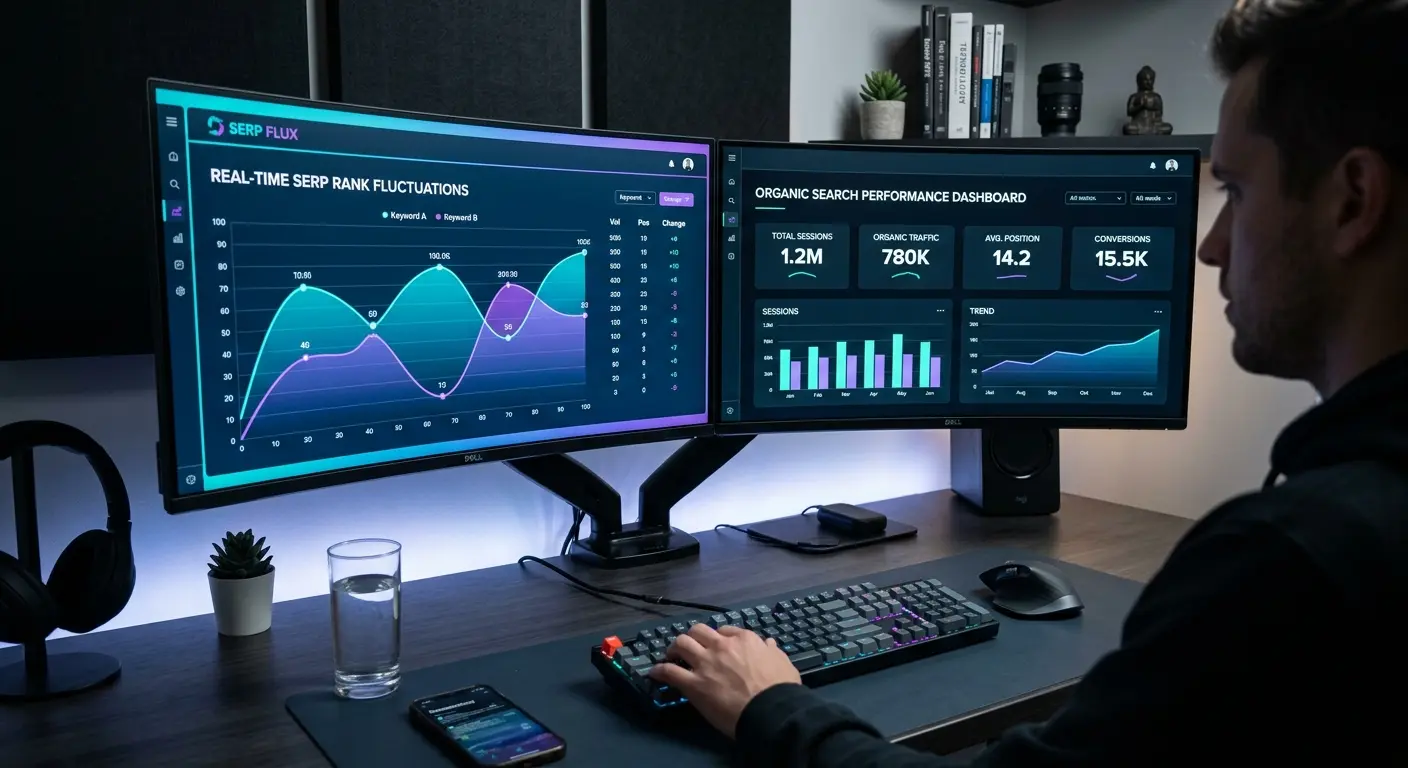
In the debate between rank tracker software vs google search console, the core distinction lies in data nature and timing: Google Search Console (GSC) is a free, backward-looking diagnostic tool reporting historical user impressions and blended average positions with a 48-hour delay, whereas dedicated rank tracker software provides real-time, daily SERP scraping, competitor intelligence, and geo-targeted ranking verification.
Digital marketers, enterprise brands, and expanding agencies constantly debate which system should drive their organic growth strategy. While Google Search Console data delivers an irreplaceable baseline directly from search logs, relying solely on its blended averages leaves massive blind spots in volatile search environments. A dedicated SERP rank tracker bridges that gap by showing exactly where your pages land at any given moment for a user in a specific zip code.
Modern search optimization requires both accurate telemetry and immediate execution. This is where modern platforms like Scalnex fundamentally shift the equation. By integrating smart keyword tracking alongside automated workflow actions, teams can move past passive observation and immediately counter competitor movements across search engine result pages.
5 Critical Differences Between Dedicated Rank Trackers and Google Search Console
Understanding the operational boundaries of native reporting helps you invest in the right tooling without duplicating effort. Here are the five primary distinctions between standalone ranking software and native Google tools:
- Data Freshness & On-Demand Scraping: Native GSC reports suffer from a 48-to-72 hour reporting lag and aggregate impressions over time. Dedicated rank tracking software performs live daily SERP checks and offers on-demand crawls to measure algorithmic shifts instantly.
- Competitor Benchmarking: Google Search Console records only your verified domain metrics. It provides zero visibility into rival domains. Specialized rank trackers measure your keyword position tracking right alongside direct competitors on the same SERP landscape.
- Hyper-Local & Device Tracking: Native console data blends mobile, tablet, and desktop queries across entire countries. Modern tracking tools let you isolate keyword ranks by specific coordinates, cities like Delhi, or precise postal codes to protect local visibility.
- SERP Features Monitoring: Google positions include text links even if they sit beneath paid ads, map packs, image carousels, or AI Overviews. Rank tracker tools map out actual SERP visibility by monitoring rich snippets, AI summaries, and video results that siphon clicks away from standard organic results.
- Automation & Workflow Triggers: Standalone tools leave analysis up to manual spreadsheets. Next-generation platforms like Scalnex combine automated alerts with direct remediation, connecting ranking drops to automated link building and instant on-page adjustments.
Head-to-Head Comparison: Rank Tracking Software vs Google Search Console
Choosing between native console data, standard enterprise trackers, and AI-enabled automation platforms depends entirely on your operational goals. While GSC provides an authentic record of actual searcher clicks, dedicated keyword rank tracking tools reveal the broader market battleground.
| Feature / Capability | Google Search Console (GSC) | Standard Rank Tracker (Ahrefs/Semrush) | Scalnex AI Automation | Business Impact |
|---|---|---|---|---|
| Update Frequency & Latency | 48-to-72 hour reporting lag | Daily SERP refresh with manual check options | Real-time daily SERP tracking & instant alerts | Enables immediate defense against algorithmic rank volatility |
| Competitor Rank Tracking | No competitor data available | Tracks custom competitor keyword lists | Monitors competitor movement & content shifts | Reveals search market share gains or losses immediately |
| Geo-Targeting Precision | Country-level aggregations only | City and regional rank targeting | Hyper-local tracking down to city and pincode levels | Prevents false ranking assumptions in localized search zones |
| Metric Calculated | Blended average position over time | Exact absolute rank at time of crawl | True position tracking paired with intent scoring | Eliminates skewed data caused by fluctuating long-tail queries |
| SERP Feature Visibility | Basic filters; features inflate position numbers | Visual maps of featured snippets & map packs | Comprehensive SERP layout & AI Overview detection | Clarifies whether a rank actually drives organic click-throughs |
| Automated Execution | None; purely diagnostic | Notifications and manual export capabilities | Automated link building & content optimization fixes | Closes the loop from ranking detection to actionable execution |
How to Combine GSC and Automated Rank Trackers for Maximum Search Domination
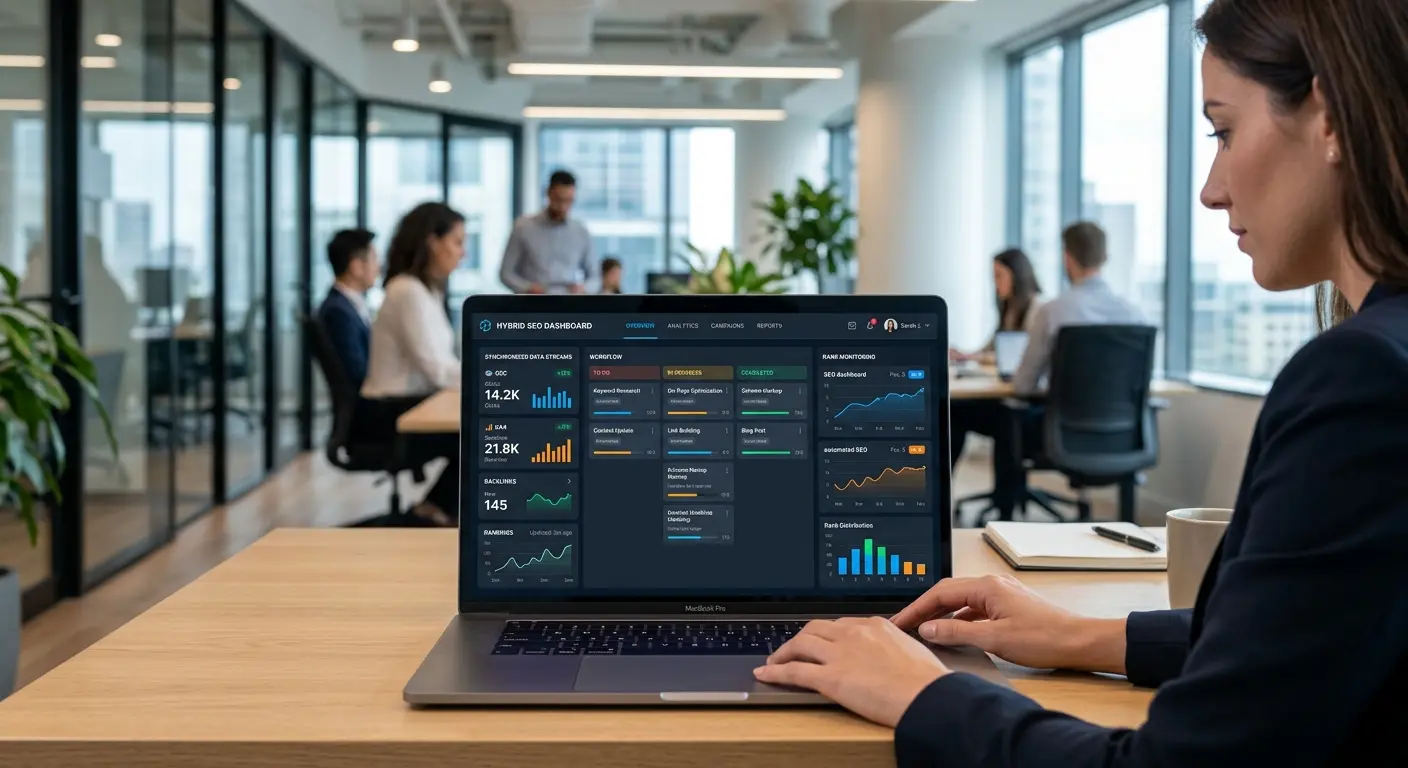
Relying exclusively on either Google Search Console or a paid rank tracker leaves your strategy incomplete. Elite search teams deploy a synchronized hybrid workflow: they extract organic search queries from Google’s native logs to unearth fresh query impressions, then feed those phrases directly into an automated SERP tracking engine to track movement across hyper-localized environments.
According to official documentation on Google Search Central, Search Console tracks how Google crawls, indexes, and serves pages to actual users. This diagnostic baseline highlights indexing anomalies and query volume. However, pairing it with automated rank tracking protects your rankings against fast-moving competitors.
By combining GSC discovery with automated platforms, businesses ensure that ranking drops trigger immediate corrective measures rather than remaining buried inside historical spreadsheets. This automated approach delivers reliable lead generation via SEO by safeguarding target terms that directly drive revenue.
| SEO Stage | Primary Tool to Use | Automated Action Required |
|---|---|---|
| Stage 1: Discovery & Indexing | Google Search Console (GSC) | Audit index coverage errors, review crawl stats, and export newly emerging search terms into optimization queues. |
| Stage 2: Daily SERP Tracking & Competitor Defense | Scalnex Smart Keyword Tracking | Monitor precise daily positions across mobile and desktop, isolate local shifts, and trigger automated rank-drop notifications. |
| Stage 3: Organic Traffic Monetization & Lead Capture | Scalnex Content & Link Building Automation | Deploy AI-driven content enhancements and automated backlink outreach to restore declining rankings and capture converting traffic. |
Businesses scaling their inbound customer inquiries cannot waste hours deciphering complex spreadsheets. Deploying a comprehensive automated SEO platform lets you convert raw ranking metrics into systematic growth, providing both deep diagnostic transparency and automated rank protection in dynamic search environments.