Why Do Google Search Positions Change Daily: The Mechanics
Tracking an enterprise site's performance only to watch a target URL plummet ten spots overnight is a stark reality of modern search: the index is fundamentally dynamic. If you need to understand why do google search positions change daily, you must look past surface-level volatility to the algorithmic mechanisms driving it. Continuous core updates, localized query processing, and real-time user interaction signals reshape Google’s SERPs every second. Below, we break down the infrastructure behind daily rank shifts and provide the technical framework required to stabilize your visibility across volatile landscapes.
Why Do Google Search Positions Change Daily?
Why does my Google ranking keep changing? Google search positions change daily because Google continuously conducts micro-adjustments, reranks entities via fresh crawl queues, dynamically injects SERP layouts, and reconciles edge data center latency across distributed server nodes. Rather than maintaining a static index, modern search engines run rolling retrieval tests that dynamically score content against fresh real-time interaction signals. Understanding why do google search positions change daily requires shifting from legacy rank tracking mindsets to distributed retrieval models.
Key Takeaways
- Algorithmic micro-testing vs. core update propagation: Google deploys hundreds of localized algorithmic adjustments each year alongside broader core releases that take 12 to 18 days to complete according to the Google Search Status Dashboard.
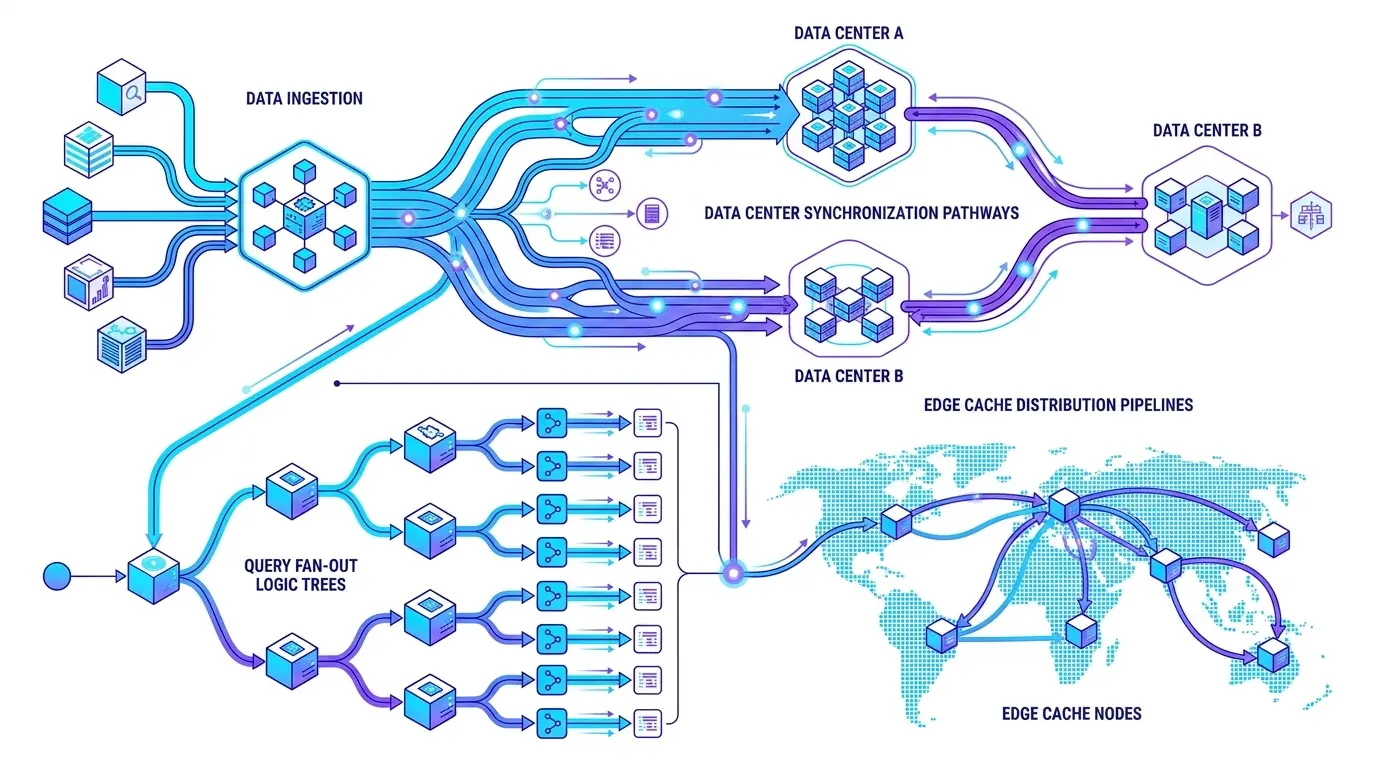
- Data center synchronization delays: Asynchronous edge cache distribution causes tracking bots to ping divergent server nodes during global index propagation.
- Real-time SERP layout displacement: The dynamic insertion and retraction of AI Overviews, entity carousels, and rich media blocks shift organic pixel coordinates without a loss in URL relevance.
- Benign daily tracking noise vs. regressions: Fluctuations of ±1 to 4 positions reflect routine edge server recalculations, whereas sustained drops of 10 or more positions indicate severe technical crawl barriers.
Algorithmic Fine-Tuning and Edge Data Center Latency
Google operates an expansive network of global data centers that synchronize asynchronously rather than instantaneously. When core indexing systems parse new document revisions, data center propagation delays persist across edge nodes for 24 to 72 hours. Your rank monitoring platform often queries geographically distinct edge caches between crawls, capturing benign data center divergence rather than a true demotion.
Simultaneously, Google conducts continuous live traffic experiments on isolated sub-queries. The search engine dynamically tests whether alternative document structures satisfy immediate user intent fan-out branches. Observing your URL oscillate between positions three and six across consecutive days typically represents localized multi-armed bandit testing across distributed retrieval pipelines.
Dynamic SERP Layout Churn and AI Overviews
Traditional search tracking software treats ranks as uniform linear lists, but modern search engine results pages operate as fluid modular grids. Google dynamically injects AI Overviews, localized merchant cards, video carousels, and structured discussion blocks based on ambiguous query expansion signals. When an AI Overview or rich media pack generates above the fold, pure organic positions drop several visual viewports despite underlying index authority remaining intact.
This layout churn creates artificial reporting drops inside passive diagnostic suites that monitor raw vertical coordinates. A document may maintain its absolute organic position while its visual click-through footprint degrades due to dynamic SERP features. Evaluating your enterprise indexation requires an automated google rank checker tool capable of isolating visual feature shifts from true structural algorithm losses.
Competitor Velocity and Query Intent Fan-Out
Search positions do not exist in isolation; their relative coordinates depend on total web publication velocity. Even if your production codebase and content remain entirely static, competing domains continuously push fresh entity updates, ingest authoritative citations, and reconfigure technical schema. This competitor velocity drives organic re-ranking as Google balances content freshness against historical vector semantic graphs.
Furthermore, consumer intent rarely remains static across quarterly cycles. When external real-time events alter searcher intent toward specific sub-queries, Google re-ranks pages that satisfy dynamic informational demands over legacy comprehensive assets. Failing to adapt on-page vector knowledge graphs leaves existing content vulnerable to gradual multi-intent query fan-out drift.
Daily SERP Volatility vs. Algorithmic Penalties: Diagnostic Matrix
Differentiating routine index variance from catastrophic structural demotions prevents premature code deployments that destabilize organic performance.
| Metric / Indicator | Daily SERP Noise (Normal) | Broad Core Update Shift | Technical Crawl Regression |
|---|---|---|---|
| Position Delta Range | ±1 to 4 positions | 5 to 15 positions | 20+ position drop or full de-indexing |
| Affected Keyword Scope | Isolated sub-queries and long-tail variants | Site-wide entity clusters and topical themes | Catastrophic site-wide or structural path drops |
| Recovery Timeframe | 24 to 72 hours self-stabilizing | 12 to 18 days post-rollout cycle | Requires immediate code deployment and re-indexing |
| Primary Root Cause | Edge cache routing and dynamic SERP testing | Systemic quality reassessments and entity updates | Robots.txt disallow, canonical tag loops, or 5xx server errors |
| Recommended Action | Monitor passively across rolling baselines | Log historical baselines and audit entity depth | Run immediate automated technical SEO audit and deploy rank change alerts |
Treating short-term data center reconciliation as an urgent algorithmic crisis leads to counterproductive manual revisions. Technical engineering teams must isolate whether ranking changes stem from benign edge variance or systemic execution failures before modifying production assets.
How to Diagnose and Triage Daily Google Search Fluctuations
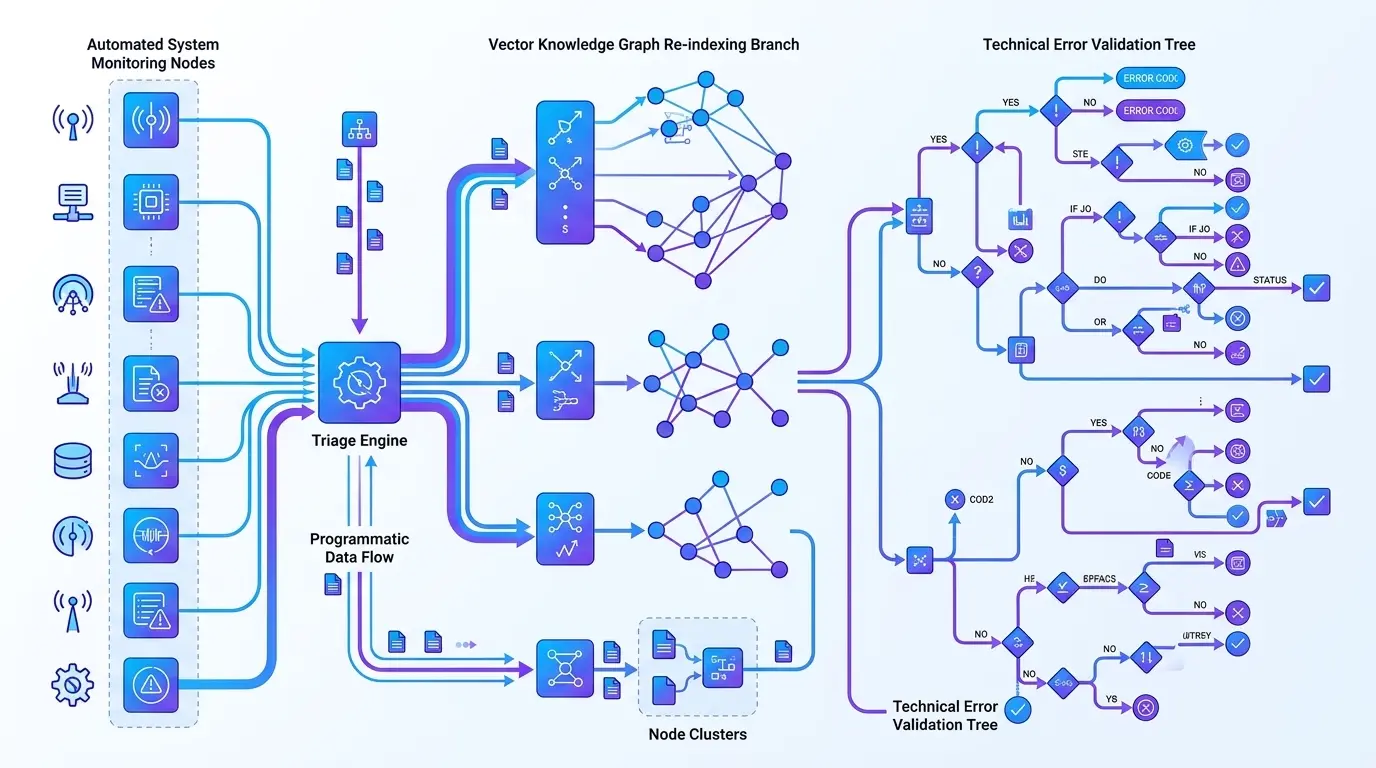
- Isolate reporting latency across data centers: Verify ranking changes across multiple geographic IP endpoints to confirm whether position variance stems from edge cache synchronization latency or genuine algorithmic recalibration. Cross-reference automated tracking bot snapshots with verified server response logs to rule out isolated edge deviations.
- Verify search intent fan-out shifts: Inspect live search engine results pages to identify whether the dynamic insertion of AI Overviews, video modules, or entity carousels visually displaced traditional organic rankings. Evaluate whether user intent expanded into composite sub-queries that your current page structure fails to resolve.
- Audit technical crawlability regressions: Check robots.txt directives, self-referential canonical tags, and server response headers for catastrophic misconfigurations. Ensure that automated CI/CD deployments have not introduced accidental noindex directives, broken redirect chains, or server-side latency spikes across priority URL paths.
- Deploy automated technical SEO monitoring: Eliminate manual reporting bottlenecks by deploying autonomous execution workflows. Utilizing Scalnex AI allows teams to configure automated rank change alerts and API integrations that continuously monitor code infrastructure, catching critical technical regressions before legacy diagnostic suites populate outdated reporting dashboards.
- Track rolling 30-to-90 day trendlines: Filter out daily ranking volatility by assessing rolling median performance metrics across broader statistical intervals. Long-term trendline analysis prevents your team from overreacting to short-term SERP weather while ensuring broad core update shifts are detected accurately.
- Execute targeted entity vector enrichment: Update semantic entities and factual data clusters across underperforming content to re-align with evolving retrieval graphs. Expanding underlying page topics satisfies automated query expansion models and secures topical authority across dual discovery search channels.
Critical Mistakes When Reacting to Daily Search Position Fluctuations
- Rewriting title tags and on-page content prematurely: Modifying production copy within 48 hours of a minor position drop resets historical relevance metrics and prevents algorithm tests from naturally concluding.
- Treating legacy diagnostic suites as real-time ground truth: Relying on passive diagnostic platforms that execute infrequent, delayed scrapers creates operational friction and distorts index volatility.
- Overlooking rank tracker bot geolocation variance: Failing to account for local query routing introduces artificial ranking fluctuations that do not reflect national organic reality according to official Google Search Central documentation on search performance evaluation.
- Confusing visual SERP layout expansion with index devaluations: Treating positions displaced by new AI Overviews or rich answer blocks as algorithmic penalties leads to wasted engineering interventions.
- Failing to automate continuous technical monitoring: Relying on manual weekly rank audits leaves severe technical crawl barriers, such as accidental noindex tags, undetected until organic revenue collapses.
Transitioning from Reactive Tracking to Autonomous Search Infrastructure
Recognizing why do google search positions change daily empowers systems engineers and digital marketing leaders to ignore superficial index noise and prioritize architectural stability. Modern organic visibility across dual-discovery pipelines requires robust vector graph optimization and real-time rank change alerts rather than panicked reactions to daily rank churn.
Enterprise organizations must transition from passive, labor-intensive tracking dashboards to autonomous execution systems that proactively detect and repair technical anomalies. Deploy a smart keyword tracking platform with API integrations to safeguard your core visibility, mitigate algorithmic volatility, and secure enterprise index stability.